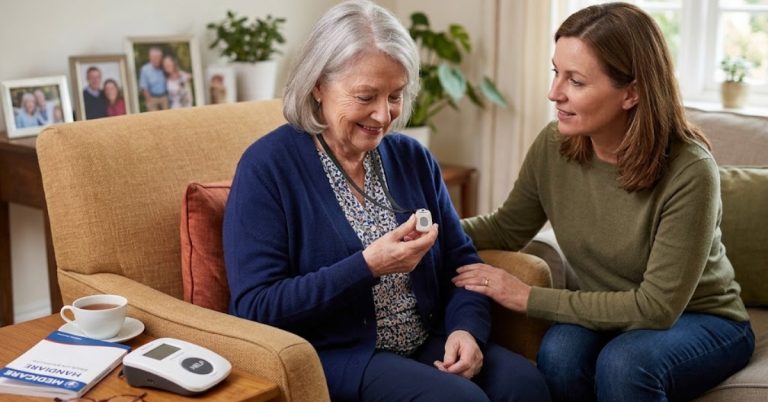
Choosing the right medical alert system can be a lifesaving decision – literally. With numerous options on the market, you need to find a solution that offers reliability, ease of use, and peace of mind for you and your loved one.
Whether you’re looking for an in-home system for daily safety or a mobile device with GPS tracking for active lifestyles, you will want to understand the differences between them.
In this article, we outline the top five considerations, ranging from fall detection and monitoring services to cost and wearability, to help you make an informed choice that ensures safety without compromising comfort or budget.

Choosing the Right Medical Alert System: Top 5 Considerations
1. Type of Medical Alert System: In-Home vs. Mobile
In-Home Systems: Use a base unit connected to a landline or cellular network, ideal for seniors who spend most of their time at home.
Mobile/GPS Systems: Include wearable devices with GPS tracking, ideal for active seniors who travel or spend time outdoors.
Hybrid Options: Some systems offer both in-home and mobile capabilities.
2. Is Fall Detection Technology Needed?
Automatic Fall Detection: Uses sensors to automatically detect falls and alert emergency services even if the user can’t press the button. Did you know the CDC reports that one in four older adults falls annually, making quick-response systems a key safety tool? This makes a strong case for fall detection technology.
Manual (standard) Medical Alert Buttons: These systems require the user to press the button in an emergency.
*Please note that fall detection may incur an additional fee, but it is essential for individuals at high risk.

3. Monitoring Services & Response Times
24/7 Professional Monitoring: Ensures help is always available when you need it most.
Response Time: Look for systems with short average response times (ideally under 30 seconds).
Connection Method: Cellular-based systems are more reliable than landline-only systems during power outages and when the user is away from home.
Custom Emergency Plans: Some systems let you set up personalized call chains—contacting family first or skipping EMS in non-urgent situations.
Bonus Advice: In addition to efficient response times, ensure that the call center is staffed with trained professionals, not just switchboard operators…
4. Cost & Contract Terms
Upfront Costs: Some companies charge for equipment, while others offer it for free with a subscription.
Monthly Fees: Typically range from $20 to $50 per month, depending on the features and whether a system is in-home or cellular.
Contract Flexibility: Whenever possible, avoid long-term contracts; month-to-month plans are preferable. Some companies offer lower monthly costs for commitments of three or six months. A decade ago, nefarious medical alert providers attempted to force consumers into lengthy (multi-year) contracts, but most medical alert companies have since discontinued this practice.
Additional Fees: Check for costs associated with activation, cancellation, or fall detection add-ons.
Trial & Returns: Look for companies that offer a 30-day risk-free trial or easy return policies in case the system isn’t the right fit.
Insurance Coverage: Most medical alert systems aren’t covered by Medicare, but some Medicaid waiver programs or VA benefits may help offset costs.
5. Ease of Use & Wearability
Comfortable Design: Lightweight, waterproof, and easy-to-wear pendants or wristbands.
Battery Life: Mobile devices should last at least 24 to 48 hours on a single charge.
User-Friendly Setup: Simple installation with clear instructions for seniors and caregivers.
Range: For in-home systems, ensure the wearable works throughout the house and yard. For cellular (mobile) systems, make sure the cellular network has adequate coverage in your loved one’s area.
Extra Features to Look For: Some systems offer additional tools, such as medication reminders, activity tracking, or daily check-in buttons. These features can be particularly beneficial for older adults with memory issues or chronic health conditions.
VIDEO: How to Choose the Right Medical Alert System
A reliable medical alert system should connect users to trained professionals, not just a call center, to ensure proper emergency handling.”
Source: Mayo Clinic – Aging in Place Safety Tips
Bonus Considerations:
Family Notifications: Some systems alert family members in addition to emergency services.
Caregiver Access: Some systems include mobile apps that allow family members to track location, receive alerts, or check system status.
Integration with Smart Home Devices: Works with Alexa, Google Home, or other integrated smart systems.
Customer Reviews & Reputation: Check ratings on Trustpilot, the Better Business Bureau (BBB), and senior-focused review sites.
By evaluating these factors, you can choose a medical alert system that best fits your safety needs, lifestyle, and budget. If you need help finding a medical alert provider, check out our top medical alert choices here.
Chris is a seasoned healthcare executive with decades of experience and the co-founder of AgingToday.com. Chris is an expert in digital transformation, health technology and artificial intelligence. He's currently focusing on how these innovations can be leveraged to improve the lives of aging adults.