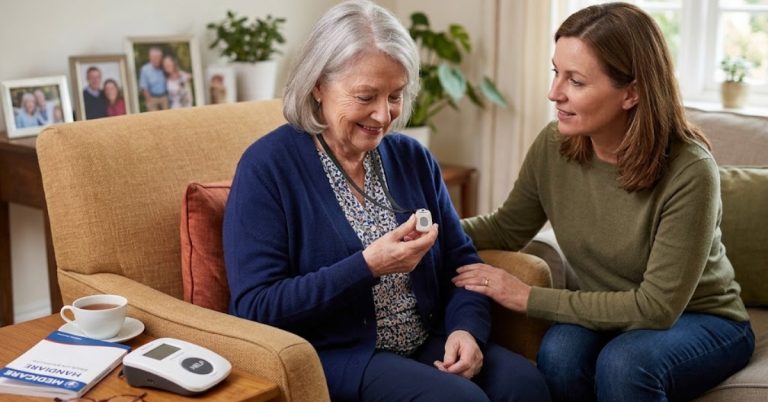
As our loved ones age, their safety and independence at home become top concerns for family members and caregivers. Medical alert systems or PERS (personal emergency response systems) can offer a valuable solution for families seeking peace of mind, especially when mom or dad wishes to “age in place” for as long as possible.
Deciding whether to invest in a medical alert system depends on many factors. Medical alert systems are an excellent choice for those with mobility issues, chronic illnesses, or a history of falls. However, the need may be less urgent for relatively healthy individuals and/or those with a strong personal network nearby.
Ultimately, the comfort these systems offer can be invaluable to families, especially those who are navigating caregiving duties. When choosing a medical alert system, one should compare costs, features, and customer support to find the best fit for their needs.
Below, we explore the benefits, potential drawbacks, and key factors to consider when determining if a medical alert system is the right choice for your mom or dad.
Benefits of Medical Alert Systems
Medical alert systems provide immediate emergency assistance and 24/7 monitoring, ensuring users can quickly connect with loved ones or first responders. With advanced features like GPS tracking, fall detection, and family notifications, these systems promote independence and safety, offering wearable and mobile options tailored to individual needs.
Immediate Emergency Assistance
Medical alert systems can be lifesavers, connecting users to emergency responders or caregivers within seconds. A quick response time can be critical during emergencies like falls, strokes, or sudden illness.
24/7 Monitoring
With round-the-clock monitoring services, users and their families gain reassurance knowing help is always available. Whether at home or on the go, these systems can provide continuous protection.
Promotes Independence
For seniors and individuals with medical conditions, these systems enable a level of independence that might not otherwise be possible. Users can live alone with greater confidence while staying connected to emergency assistance at the touch of a button.
Advanced Features
Modern medical alert systems today include GPS tracking for location accuracy, wellness monitoring for health conditions, and automatic fall detection (just in case). These features cater to a wide range of needs, from wander-prone parents to those managing chronic conditions.
Wearable options
Today’s medical alert systems aren’t just the pendant button worn around the neck; they can be watches, belt clips, necklaces, mobile phone apps, smart home sensors, and bedside buttons. The options range from basic in-home devices to fully mobile units, allowing families to choose the alert option that perfectly fits their needs.
Family Integration
Medical alerts can also notify caregivers or family members during emergencies, ensuring everyone stays informed in real time in order to manage their loved one’s safety.

Potential Drawbacks
Medical alert system costs can really add up depending on monthly fees and set-up charges. Additionally, some users may resist wearing these devices due to stigma or forgetfulness, limiting their effectiveness despite the potential benefits.
Cost
Monthly fees can add up, particularly for systems with advanced features like fall detection or mobile GPS units. Some plans also include setup fees, increasing the initial cost of ownership.
False Alarms
Some devices may trigger unnecessary alerts due to accidental button presses or overly sensitive sensors, causing disruptions or unnecessary (emergency) dispatches. In addition, we’ve seen some users who get very comfortable pressing the medical alert button when their needs aren’t deemed an actual emergency – and of course, the opposite can also be true with users who never want to press the button, even following an event like a hard fall.
Technology Dependency
Like any technology-based services, these systems can fail due to technical glitches, poor battery life, or connectivity issues in areas with limited cellular coverage. This is true of any connected device – medical or otherwise.
Stigma
This is a big one that sometimes requires difficult conversations. Some users may be reluctant to wear medical alert devices, associating them with aging or dependence on others. This can discourage use, even among those who might most benefit.
VIDEO: How to Choose the Right Medical Alert System for Mom or Dad
Is a Medical Alert System the Right Choice?
As families explore ways to support aging loved ones, medical alert systems stand out as tools that offer both practical assistance and emotional reassurance. These devices are more than just emergency response buttons; they represent a thoughtful investment in autonomy, safety, and the ability to remain at home longer.
While no system is perfect, a medical alert system can bridge the gap between independence and necessary support, helping families focus on quality time instead of constant worry. For family caregivers navigating these care decisions, it’s a chance to align peace of mind with grace and dignity.
Frequently Asked Questions
Who can benefit the most from a medical alert system?
Medical alert systems are particularly beneficial for seniors with mobility issues, chronic illnesses, or a history of falls. They also offer peace of mind to family members when their loved one wishes to “age in place” independently.
What features should I look for when choosing a medical alert system?
Key features to consider include 24/7 monitoring, GPS tracking for location accuracy, fall detection, family notifications, and wearable options such as pendants, watches, or mobile apps. Comparing costs, features, and customer support can help ensure the system fits your specific needs.
What are the potential drawbacks of medical alert systems?
Potential downsides include monthly fees and setup costs, the risk of false alarms, dependency on questionable technology, and reluctance to use the device due to stigma or forgetfulness. Families should carefully weigh these factors against the benefits.
How do medical alert systems promote independence?
These systems allow aging adults to live confidently on their own, knowing that help is just a button press away. This can reduce the need for constant supervision and provide reassurance to users and their families.
Chris is a seasoned healthcare executive with decades of experience and the co-founder of AgingToday.com. Chris is an expert in digital transformation, health technology and artificial intelligence. He's currently focusing on how these innovations can be leveraged to improve the lives of aging adults.