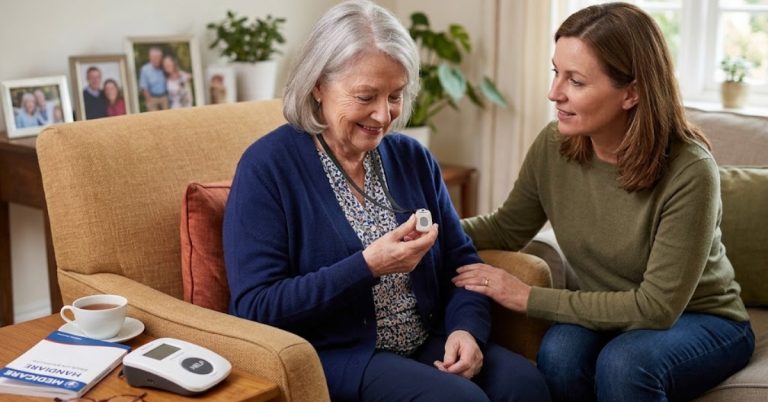
Over the past decade, the medical alert, or PERS (personal emergency response systems), market has consolidated significantly, with several high-profile acquisitions and partnerships among the most prominent technology players in the aging-in-place arena.
In addition to market changes driven by consolidation and acquisition, innovation has continued to drive consumer interest among caregivers and family members.
Traditional medical alert companies are facing challenges from “big tech,” which is beginning to incorporate some medical alert features into mainstream hardware, such as Apple watches and Alexa devices.
Double Digit Growth Drives Connected Care Market
According to IoT (Internet of Things) analyst firm Berg Insight, the “connected care solutions” market (which includes medical alert systems and remote patient monitoring solutions) is expected to grow at an 11.4% compound annual growth rate over the next five years.
The current medical alert system segment of the connected care market is estimated at around 5.2 million active users, so over the next 2 years, the market expects almost a million new subscribers to join the ranks.

What’s interesting about the medical alert market today is for the first time, it’s facing real challenges from the likes of Apple and Google. I can’t tell you how often I’ve been asked about the Apple Watch serving as a medical alert system and automatic fall detection this past year. – Chris Clark
History of Medical Alert Horror Stories
Less than two decades ago, there was a scourge of ragtag regional medical alert companies enrolling families in binding multi-year agreements that continued even when service was no longer needed. The consumer fraud was palpable, making medical alert systems a necessary evil versus the confidence enablers they are today.
Customers and consumer advocates started pushing back on unscrupulous medical alert providers through ratings and review websites, national/local press coverage, and even litigation. This grassroots effort forced the bad actors to shape up or close their doors, giving families a reason to start trusting medical alert providers again.
Industry Evolution Leads to Trust and Growth
As the medical alert market has evolved, consumers have naturally gravitated toward the top medical alert providers in the U.S. Almost all top providers today offer non-binding contracts, competitive pricing, and innovative products for every use case and budget.
The modern medical alert system isn’t just a pendant worn around the neck; it’s also a wristband, apps on one’s phone, smart beds, smart canes, and even Apple Watches with fall detection! The industry has come a long way.

Innovation Driving Medical Alert Industry
New Features include GPS and Fall Detection
Technical advancements, including the integration of GPS tracking, fall detection, and activity monitoring, have significantly improved the functionality and reliability of medical alert systems today. These advanced features provide users and caregivers with greater peace of mind as they navigate the challenges of aging.
Telehealth integration is an exciting development, with several medical alert providers now offering services that connect users to healthcare professionals remotely. This became particularly important during COVID-19, providing safer and more accessible options for preventive care, routine check-ups, and chronic condition management.
Shift Toward Wearables and Health Monitoring
New wearable options like smartwatches and fitness trackers have made medical alert systems more convenient and less intrusive than ever. A quick search on Amazon for “fall detection smartwatch” will return big-brand options like Samsung, Apple, Google, and Coco, among others.

Medical alert systems that come with additional health monitoring features (like oxygen levels and heart rate monitoring) make them a more complete solution for seniors and individuals with health needs, but buyer beware – sometimes too many features can be complicated for older adults.
Medical Alert System Giants Consolidate
Besides innovation, consolidation has been a major change agent in the medical alert market. I can’t think of a single player in this space who hasn’t participated in an acquisition or major partnership in the last 5-7 years.
IoT analyst firm Berg Insight says the consolidation effort in the medical alert space has led to a landscape dominated by just a few major players: “In the medical alert market, Connect America has emerged as the largest service provider after the acquisition of the Lifeline business from Philips in 2021, and is followed by Lively, Medical Guardian, MobileHelp, Life Alert Emergency Response, ModivCare and ADT.”
Consolidation in any industry can have both positive and negative impacts. Here are a few notable examples of changes by some of the top medical alert companies in the past few years:
Notable Medical Alert Provider Partnerships
Medical Guardian
Acquisition of MedScope America Corporation in 2021, allowing Medical Guardian to become one of the nation’s top providers of personal emergency response systems (PERS).
MobileHelp
Acquired by Advocate Aurora Enterprises in 2022, a U.S.-based provider of integrated health systems for approximately $290 million. This acquisition allowed Advocate Aurora to access advanced approaches that go beyond conventional clinical care, advancing whole-person health.
Most recently, in 2024, MobileHelp was acquired by Medical Guardian. According to a press release, the acquisition will integrate MobileHelp’s patented technology into Medical Guardian’s MGEngage360 service, offering proactive wellness and care outreach while reducing costs. Both brands will retain their identities, working together to meet the needs of their members and partners across diverse market segments.
GreatCall (now Lively)
In August 2018, Best Buy acquired GreatCall (the company behind the Jitterbug phone) and Lively Health Services, for $800 million. This acquisition marked Best Buy’s entry into the health technology market.
In May 2021, GreatCall rebranded itself as Lively, taking the name of the company it had acquired in 2015. Lively officially became available on the Apple Watch in 2021.
Philips Lifeline
In 2006, Koninklijke Philips N.V. acquired Lifeline Systems, a leading provider of personal emergency response services, integrating it into its healthcare division.
Connect America
In July of 2021, Connect America finalized the acquisition of Lifeline’s Aging-and-Caregiving business from Philips to “provide an unmatched connected health experience for patients, caregivers, and healthcare providers throughout North America”.
Medical Alert System Providers Must Stay Ahead of the Curve
The mergers, acquisitions, and partnerships among the biggest medical alert system providers have significantly shaped the PERS industry, leading to improved technology, expanded service offerings, and increased market reach.
However, the consolidation results may have reduced competition, which is something to watch over the coming years.
I’ve always believed that innovation rules all, and as long as the medical alert industry continues to invest in new technologies and services for those in need (at competitive prices), this industry will continue to thrive.
The risk will come from within, from corporate lethargy among the current players, leading to hungry new entrants or significant encroachment by “big technology”.
Follow us for more interesting developments in the medical alert space, as our coverage delves into the growing health-tech arena for caregivers and their families.
Chris is a seasoned healthcare executive with decades of experience and the co-founder of AgingToday.com. Chris is an expert in digital transformation, health technology and artificial intelligence. He's currently focusing on how these innovations can be leveraged to improve the lives of aging adults.